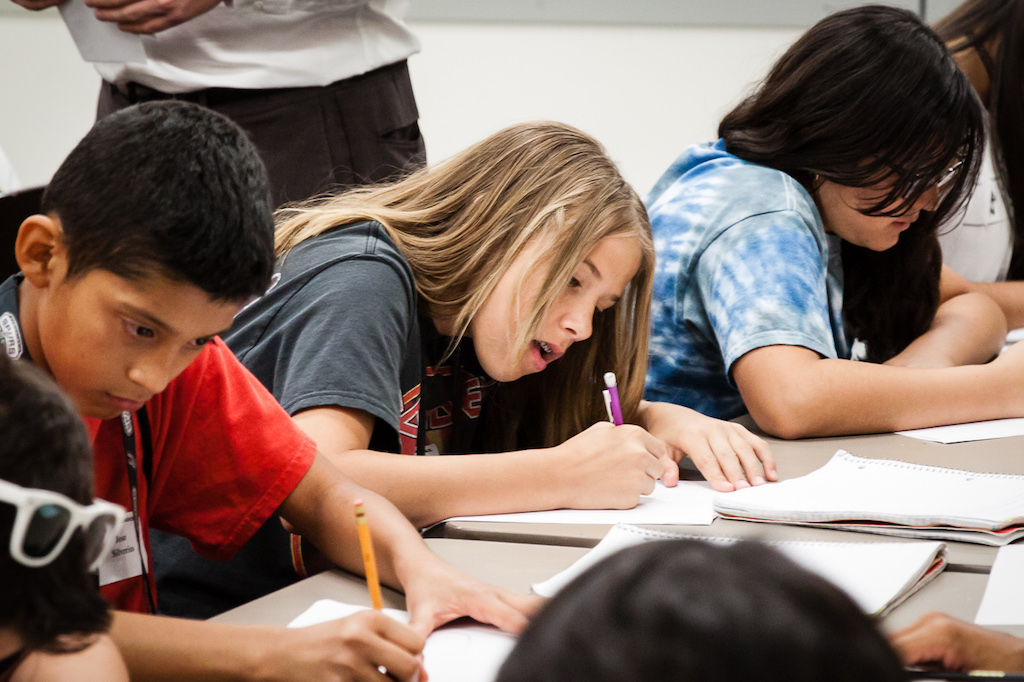
Public school teachers have been working harder than ever during the pandemic. But that’s not enough for the New South Wales Productivity Commission, which wants to cut pay and conditions, while increasing productivity by pitting “value-added” teachers against their colleagues.
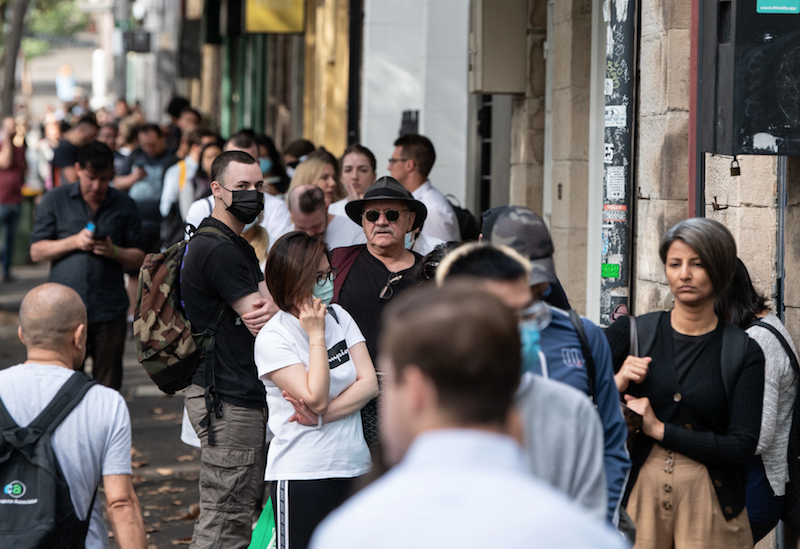
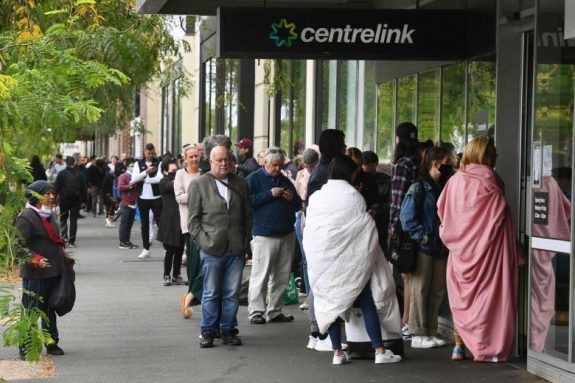
It is time the Australian Bureau of Statistics changed the way it reported unemployment figures, writes Alan Austin. Australia’s real unemployment rate is closer to 13% than 7%.
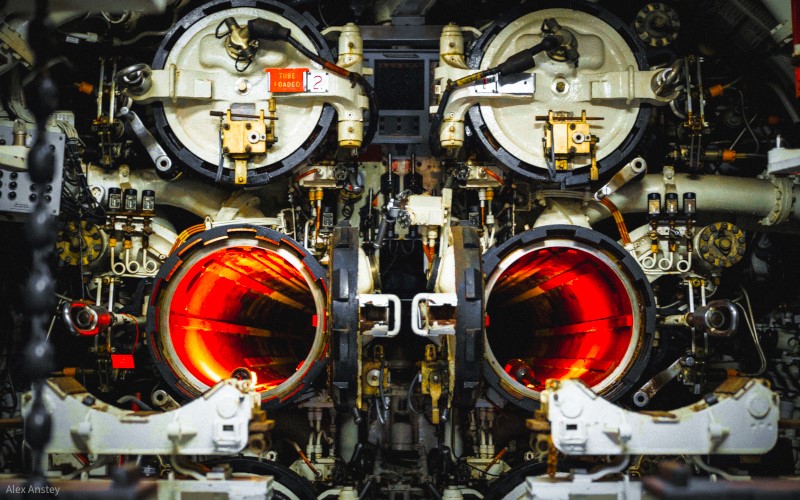
Australian governments and their defence leaders, with help from lobbyists, choose immensely complex, overpriced and overmanned weaponry. Wasteful spending has to end, writes Brian Toohey.
As Australia is a global pariah on climate change, it is a pariah for not cracking down on money laundering and financial crime that facilitates child exploitation and terrorism. But with the Greens’ amendment to the anti-money laundering/counter-terrorism financing bill to be debated this week, Labor, the Coalition and the cross-bench senators will have to decide: are they owned by the powerful property, accountancy and legal industries or not? Tasha May reports.
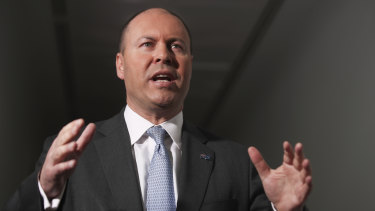
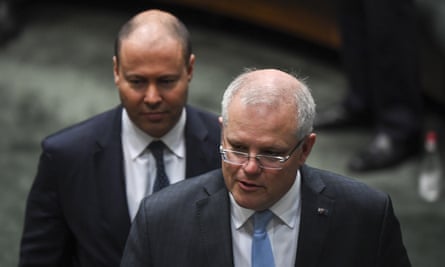
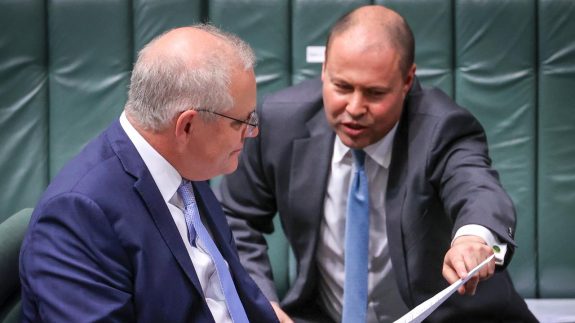
More than 120 consumer, legal and other associations and almost 100 “prominent individuals” have signed an open letter to MPs urging them to reject a bill that would axe important borrower protections.Treasurer Josh Frydenberg’s decision to overhaul the National Consumer Credit Act is an attempt at making it easier for consumers to obtain loans and spur growth as the economy slides into recession.
PM and Treasurer of Debt Slavery under the guise of Recovery
The LNP is the jettisoning of responsible lending obligations (RLOs). The proposal to remove RLOs for much of consumer lending from the relevant legislation, under the guise of supporting economic recovery, and unsurprisingly supported by the banks, has provoked widespread opposition.
The Australian Bureau of Statistics (ABS) released unemployment figures for the month of October, and in its monthly labour force survey on Thursday revealed an increase of one-tenth of one per cent nationwide, bringing the figure up to an even 7.0 per cent.
Nine Entertainment chief Hugh Marks dumped for having sex, Christine Holgate chopped at Australia Post over $20,000 in bonuses. Meanwhile, the top brass at Lendlease, having presided over a billion dollar tax scam, nonchalantly claim they are “continuing to engage with the ATO and await the finalisation of its draft determination”. Michael West reports.
The gas industry will inevitably decline as an energy source for industry and homes due to both economic and environmental issues, and will not deliver the Morrison government’s promised “gas-led recovery”, a new report finds.The gas industry will inevitably decline as an energy source for industry and homes due to both economic and environmental issues, and will not deliver the Morrison government’s promised “gas-led recovery”, a new report finds.
LNP wants Australians to invest in the future of Fossil Fuels
The International Energy Agency just issued a report concluding that wind and solar are growing rapidly, unlike beleaguered fossil fuels, and that in only five years they will be generating a third of the world’s electricity, overtaking coal. They will overtake natural gas sooner, in 2023. Coal is the dirtiest fossil fuel, producing enormous amounts of carbon dioxide, a dangerous heat-trapping gas that is rapidly heating the earth and its oceans and endangering our way of life.
The Coalition government is pushing hard to get rid of responsible lending obligations, but it doesn’t seem to realise that removing these obligations will pull the rug out from one of its signature pieces of legislation that Scott Morrison championed when he was treasurer – mandatory comprehensive credit reporting. Elizabeth Minter reports.
The claim Both the Coalition and Labor have in the past argued that paying off Commonwealth debt is a benchmark of economic success in Australian politics. But Treasurer Josh Frydenberg recently warned Australians that his July budget update was going to contain “eye watering numbers around debt and deficit”, saying: “The coronavirus has required the Government to spend unprecedented amounts of money to support people in need”. The following day, in an interview with ABC News Breakfast, shadow treasurer Jim Chalmers said the Government must not be allowed to “pull a swiftie” by pretending the red ink in the budget was a consequence of the virus when the vast majority of the debt had piled up beforehand.
If the Coalition was serious about helping those who have a go, they would be giving larger tax cuts to those who would value the extra $20 or thereabouts a week and spend it on fixing the car, paying the outstanding bills or going away for the weekend for the first time in years, rather than those who really won’t even notice the extra $20 a week in their bank accounts. Morrison and Frydenberg had the perfect opportunity to make a real change for the better. Did they take it? – nope, of course they didn’t.
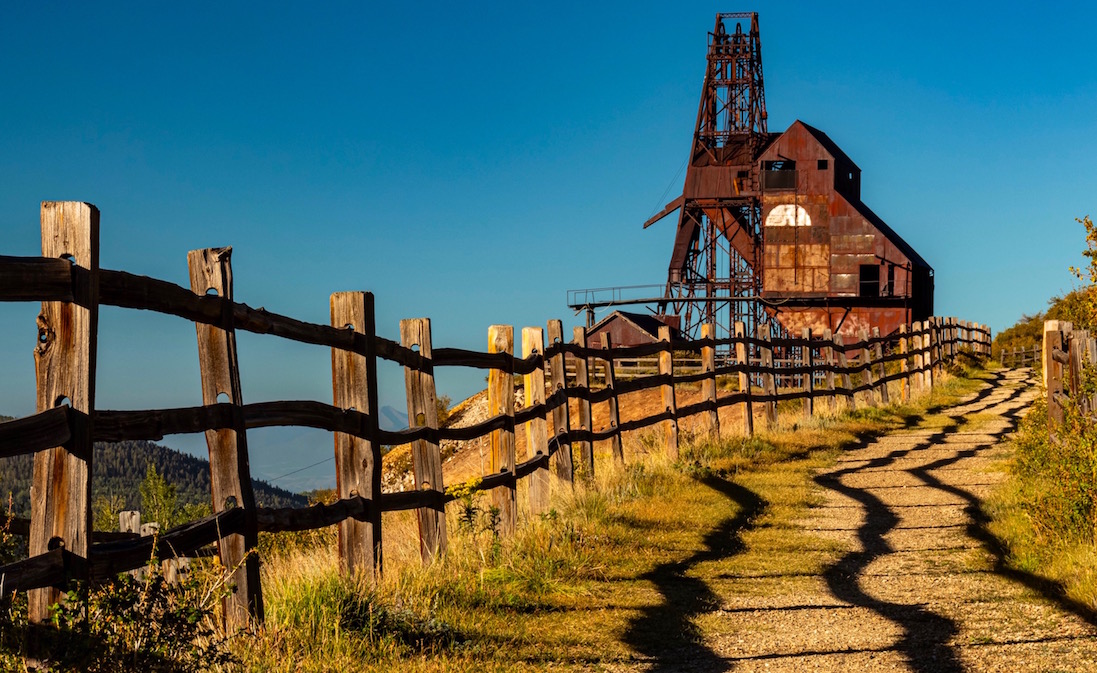
Hundreds of communities across Australia are hurtling towards the coal and gas cliff as politicians obsess over Cartier watches and pandemic politics. Michael West reports on the spectre of plunging demand for fossil fuels and the savage effects it will reap on regional communities.
The ATO’s debt book has hit another record and pressure is building on the agency to claw back this debt The COVID-19 pandemic resulted in net tax collections dipping over the past financial year, but tax refunds have risen As with prior years, the ATO has opted to settle with some large companies that disputed tax bills, rather than fight it out in court
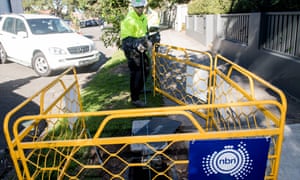
In my opinion, what this means is that the Government would like the ACCC to facilitate NBN Co to increase their prices. I will come back to this in a bit more detail. But in essence, the Government would like to create a better financial position for the NBN to put it up for sale. The alternative I have advocated now for many years is to write down some of the NBN costs.
Victoria’s lockdown has provoked a self-styled rebellion that postures as defending freedom against the state premier, “Dictator” Dan Andrews. But once you scratch the plebian surface, the “movement” is led by right-wing activists and funded by Liberal Party money.
New Zealand and the US compile public registers to ensure their Jobkeeper-type subisidies are not rorted by businesses. But no such transparency for Australians. As the Government singles out bureaucrats such as Australia Post chief Christine Holgate for corporate excesses, Tasha May shines the torch on pandemic rorting at the top end of town. JobKeeper is the single largest piece of government spending in the country’s history. Yet despite taxpayer funding this hundred billion dollar wage subsidy, there is no public database to see whether JobKeeper is being used appropriately. From the limited information that has come to light, it seems clear that it is not. A report from governance advisory service Ownership Matters reveals four kinds of appalling activity by business.
The arms company at the centre of a deadly criminal saga and numerous global corruption scandals, Naval Group, was selected by the Australian government to build our new fleet of submarines – a deal heralded as ‘one of the world’s most lucrative defence contracts‘. How did this happen? In this special investigation Michelle Fahy discovers significant gaps in anti-bribery and corruption measures on this massive procurement project. The message communicated far and wide is that our standards are lax; grey areas are tolerated; and we’ll bend the rules and look the other way.
The hypocrisy is extraordinary. On the one hand the Coalition Government reluctantly concedes that climate change exists at all and does little of substance to try to counteract it . Yet on the other hand it is dedicating substantial resources to establish a wide-ranging and powerful authority to tackle what it sees as the perceived threats of disaster from climate change. A bill being rushed through parliament – the Defence Legislation Amendment (Enhancement of Defence Force Response to Emergencies) Bill 2020 – is raising concerns that the Government is preparing for a militarised response to climate breakdown. Freedom of Information requests show that Defence is already planning towards extreme climate change impacts. References are made in the document of the need to “prepare for significantly more disaster support operations and potentially operations involving support to the civil power such as policing the population under exaggerated stresses such as food and water security”.
According to Melbourne-based newspaper The Age, the aged care crisis which peaked during the second wave of our recent global health pandemics was years in the making. The implications of COVID-19 for 180,000 elderly Australians in aged care facilities have been such that, well over five hundred succumbed to death while in residential care in Victoria alone. According to The Guardian, up to 40 per cent of those residents came from just ten residential settings.
The philosophy of the cashless welfare card is the perfect marriage of neoliberal ideology and evangelical Christianity, both of which pathologise, criminalise and individualise poverty as a lifestyle choice.
Instead of providing sorely needed stimulus, the 2020 budget from Australia’s Coalition government transfers wealth toward millionaires and big business and away from the poor, the unemployed, women, and the government’s ideological enemies.
The Morrison government has slashed the maximum humanitarian intake by thousands on the basis it is too difficult to bring refugees into Australia in the same numbers as before the coronavirus pandemic. The humanitarian intake was reduced from 18,750 places to 13,750 over the next four years in Tuesday’s budget.
As families at public schools scrimp and save to provide the bare necessities, the federal government funnels ever more money into private schools without taking into account parents’ true capacity to pay. Trevor Cobbold reports.
Australian weapons manufacturer Electro Optic Systems, with financial support from the federal and ACT governments, is capitalising on the ‘growth market’ of the Middle East, one of the world’s most volatile regions. Michelle Fahy reports.
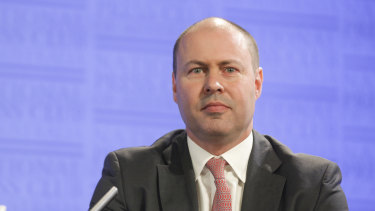
Treasurer Josh Frydenberg last night delivered his second budget as Treasurer, beginning his speech by noting that the figures had been checked and were correct, give or take $60 billion.
We’re not ‘all in this together’ — Morrison and his government are back to their ideological worst. And we had a chance to create a new and better normal. What do you think?
Locking out visitors has made it difficult for staff to meet the daily care needs of residents. What an indictment on aged care providers. They receive billions a year in funding, yet rely on the unpaid work of family/friends and volunteers. Surely it is time for complete accountability for their government funding, writes Dr Sarah Russell.
Overwhelmingly, Australia’s leading economists want the budget to boost social housing and the JobSeeker unemployment benefit rather than bring forward personal income tax cuts.
I have no doubt there are plenty of anachronistic, pettifogging, cumbersome provisions of industrial relations law that both sides could readily agree to remove. But I doubt that’s what the employers are seeking. They want their quid without any quo. Equally, I don’t doubt that much could be done to minimise the time-wasting involved in the regulation of business, without compromising other public policy goals. But too often removing “green tape” is code for sacrificing long-term protection of our environmental assets in favour of letting a few developers temporarily create a few hundred jobs while they build some highly automated mining project.
Hefty cuts to income support mean that Australia now faces a potentially more deadly epidemic than Covid-19. But it is largely avoidable, writes Michael Tanner.
Moreover, O’Neil cites that the Morrison government has its priorities misplaced, cutting subsidies for people who need it most rather than focusing on a jobs-based plan that can bolster the economy. “Despite not having a plan for how to get people back into jobs, the Morrison Government is now cutting support for the people in our community who have been hit hardest by this pandemic,” said O’Neil.
According to an ABC report, government funds were fast-tracked to Foxtel during the coronavirus pandemic. This news will raise eyebrows, as the media — like so many industries — tries to survive the pain and disruption brought by COVID-19. Why are some outlets missing out when others have their requests prioritised?
He switched to an announcement-based approach to leadership, and it made complete sense. In the current environment, there are no disincentives for doing so. Press conferences are held at short notice with details postponed until later, and inconvenient questions are easily batted away, well after headlines have established an underlying narrative. Outlets rush to break the news first, follow-ups are negligible, corrections are buried, and the media as a whole paints the picture you would expect from an ecosystem increasingly dominated by supporters of Morrison and his government (most notably in the News Corp stable). It’s all working for the prime minister – he’s a self-styled practical dad, an optimist taking care of business. If there are objections or uncomfortable revelations, he doesn’t accept the premise of your question. Next, please. And tomorrow he’ll have another announcement.
“This has meant Australian taxpayers have paid more for a network that does less, and more money is now required to play catch up,” she said in a statement issued on Tuesday. “What on earth was the point of spending $51bn of taxpayers’ dollars on the Liberals’ second-rate copper network to begin with?” In 2018, the outgoing chief executive of NBN Co, Bill Morrow, admitted that the reliance on copper had led to a higher fault rate and slower internet speeds but helped deliver the network faster and more cheaply.
In any other universe, recovering from one public health crisis by worsening another would spark immediate backlash. An “asbestos led recovery” would be career-ending; as would a “tobacco led recovery” or a “AK-47 led recovery”. But fossil fuels have locked their harm so deeply into our lives that we have become desensitised to this incredible, radical significance of proposing to hurt humans as a pathway to helping them. What is happening here is simultaneously deadly and ludicrous. (Ketan Joshi Renew Economy).
Industries such as steel and aluminium manufacturing would greatly benefit from a switch to renewable energy
Australia’s renewable energy endowment means that there is likely to be a boom similar to that of the mining industry in the early 2000s, writes Tim Cornwall. THE MINING BOOM of the early 2000s was horribly wasted by the Howard Government. Over the next few decades, to the chagrin of the current Australian Government, the economics of renewable energy will render the fossil fuel industry obsolete. As detailed by Ross Garnaut among many others, Australia stands to gain the most from this transition and stands to lose the most from delaying it. As the transition inevitably occurs, however quickly or slowly, we should learn the lessons from our last industry boom. Will we allow the profits to be siphoned to tax havens or take advantage to build a better Australia?
Despite the slagging off at Labor by the Coalition, simply because of debts accrued to maintain the economy through an unexpected crisis – namely the GFC – the Coalition now finds itself in the same situation through COVID-19, and has to go down a similar path. Have they done as well as Labor did? NO! Why not?
Motives behind the Coalition’s intention to build a gas-fired power plant appear to be driven by ties to fossil fuel power companies, writes Richard Gillies.
In the midst of a deep recession this government is seeking to lock in an inequitable income tax system under the guise of recovery. Two recent reports, however, highlight that moves to bring forward the legislated tax cuts will fail to provide adequate stimulus to the economy and will only exacerbate inequality that was already increasing prior to the pandemic.
AUSTRALIA IS entering treacherous waters. After more than a quarter-century of economic growth, the country has now gone into recession. And not just any recession — the deepest downturn since the Great Depression of the 1930s. The recession brings many self-evident problems, from high rates of unemployment to widespread business failures. But there is a less obvious danger that we overlook at our peril — the role of vested interests in the economic recovery.
The process of shifting wealth and income from the poor and middle to the rich continues apace. Alan Austin examines the latest national accounts. FOR THE FIRST TIME since 1959, when Australia first published detailed national accounts, the share of all income going to corporations has risen above 30%. Simultaneously, the share for employees has fallen below 50% for the first time ever.

























 olddogthoughts
You must be logged in to post a comment.