
At least 60 votes are still needed to usher any legislation through the Senate and avoid a “filibuster”, which allows lawmakers to stall or prevent a vote on bills. Even apart from the NRA’s clout, a major challenge is that the gun control movement is subject to what political scientists label an “issue attention cycle”. In short, focus on the issue is fleeting. A calamity like the one in Texas gets considerable press for a while but then fades into the backdrop and is replaced by other headlines. The sustained political will needed to pass gun reform simply doesn’t persist.
For all the horror mass shootings, most gun violence in America occurs through a “slow drip” of casualties. The Centers for Disease Control and Prevention reports that more than 45,000 Americans died from gun-related causes in 2020, with about 43% being homicides.
Source: Guns in the US: Why the NRA is so Successful at preventing Reform

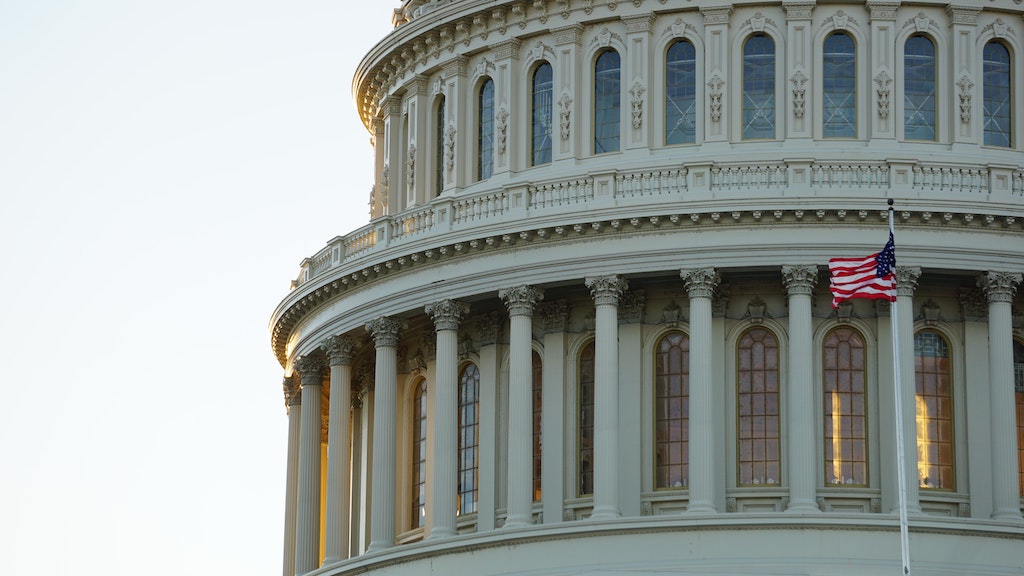 By virtually any metric, the United States Senate is one of the most undemocratic legislative bodies in the advanced capitalist world. Given the geographic distribution of America’s population, the majority living in nine states wields a mere eighteen votes to the minority’s eighty-two: a balance of forces so disproportionate, most citizens of other countries would probably find it incomprehensible. In no other country could a jurisdiction the size of California (home to nearly 40 million people) possess the same legislative clout as Wyoming (home to less than 600,000). The Senate, in fact, is not so much undemocratic as it is antidemocratic — its design acting as a check on majority rule by default.




 olddogthoughts