Tag: a history

Untangling the deep and troubled roots of democracy can help define its future | Salon.com

Painting of leaders presenting the Declaration of Independence | African Slave Trade (Photo illustration by Salon/Getty Images)

“Where Europeans formed a majority, or a substantial minority, they could control the outcome of the democratic process. That allowed them to effectively exclude specific groups of people: Indigenous people, slaves and the descendants of slaves could not vote. Women could not vote.”

I’m not necessarily meaning to portray a pessimistic narrative, but the fact that we’re having this conversation at all indicates that maybe we need some kind of reboot, maybe we need to consider alternatives to these long-established institutions. I can’t say too much about these kind of deliberative assemblies, the James Fishkin model of democracy (Salon stories here). I know about that, but I haven’t studied it, and I am a little dubious about how much legitimacy these assemblies might have. Are ordinary citizens going to regard their decisions as more legitimate, let’s say, then the elected assembly? I think that’s the crucial question, because governance by lot does have something to recommended it, but only if people believe that they’re a source of authority.

Source: Untangling the deep and troubled roots of democracy can help define its future | Salon.com
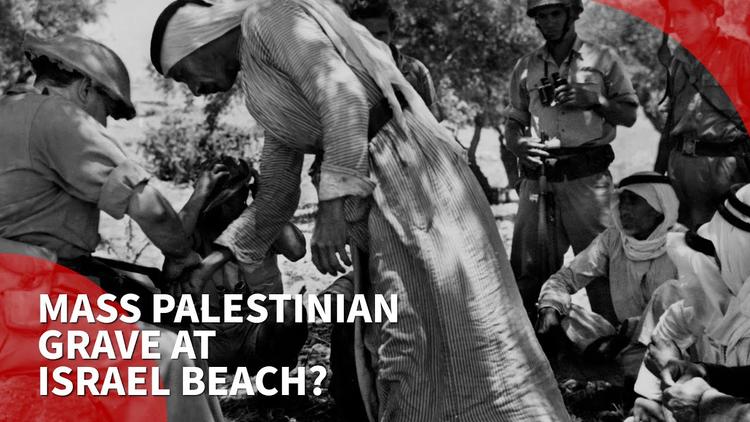
Nakba: Remembering Israel’s Massacre of Palestinians at Tantura

Palestines Lost Generations. A history untold

On this day in May 1948, up to 200 Palestinians were massacred by Israeli troops in the coastal village of Tantura, located 35 kilometres south of Haifa. It was one of the 64 Palestinian coastal villages on the road between Tel Aviv and Haifa, of which only two remain today, Furaydis and Jisr Al-Zarka. The rest were ethnically cleansed, as were hundreds of other villages, towns and cities elsewhere in occupied Palestine.

Source: Nakba: Remembering Israel’s Massacre of Palestinians at Tantura

A Short History of U.S. Law Enforcement Infiltrating Protests

That brings us to the present day. On the one hand, this history doesn’t mean that the FBI or local police are currently acting as provocateurs during the current unrest. But it does mean that such activity is clearly one avenue that is open to U.S. police forces looking to undermine protests and escalate violence.

via A Short History of U.S. Law Enforcement Infiltrating Protests

A history of Section 18C and the Racial Discrimination Act | NITV

While there have been some successful cases brought, less than five per cent of claims made under the Racial Discrimination Act make it to the courts and there the majority of them are dismissed. Section 18C makes it unlawful to commit a public act that is reasonably likely to offend, insult, humiliate or intimidate another person or a group of people based on their race.

Source: A history of Section 18C and the Racial Discrimination Act | NITV