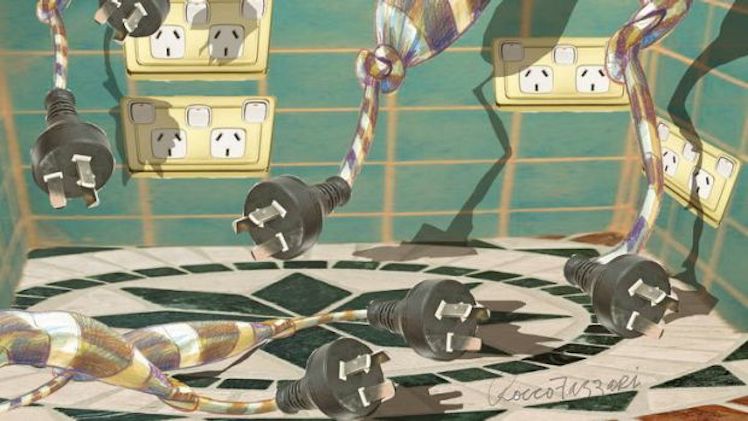
The Australian Energy Market Operator is not the right organisation to be conducting the dramatic overhaul required for the economy, writes Zacharias Szumer.
The ESB has proposed that the so-called “capacity mechanism” be technology neutral, allowing plants powered by coal, gas or renewables to receive the payments. This has sparked concerns from some major power companies that incumbent fossil fuel generators would be propped up at the expense of investment in clean energy, or that consumers would pay higher bills than necessary.
Rooted in Germany’s metalworks industries, IG Metall is one of the world’s strongest trade unions. But the need for climate action is forcing it to take a more critical approach to the industries where its members work — and fight for a green transition that creates new kinds of high-paid, fulfilling jobs.
How might we imagine a transition to a socialist economy? There are clues in unlikely places: the management practices of some private corporations, which have been developing planned, democratic economies in miniature.
Oh my god. Every day I clasp my hands together and thank the sweet universe that I live in Victoria. Thank you, Lily D’Ambrosio MP, thank you.
Please bear in mind: this timetable – and the money that the government are willing to put into it – gives the working people of the industry time and resources to *transition*. This is what we mean by a “just” transition. It is why it should be at the heart of every decision we make. (Van Badham)
Glencore will instead focus on metals such as cobalt, nickel, vanadium and zinc, which are all key components of batteries as it targeted lower carbon industries as its customers.
“We aim to prioritise capital investment to grow production of commodities essential to the energy and mobility transition and to limit our coal production capacity broadly to current levels,” the company said as part of its results announcement.
Advertisement




 olddogthoughts
You must be logged in to post a comment.