Tag: The Australian System

Low wage growth in Australia didn’t happen by accident – it’s the system working as intended | Richard Denniss | The Guardian

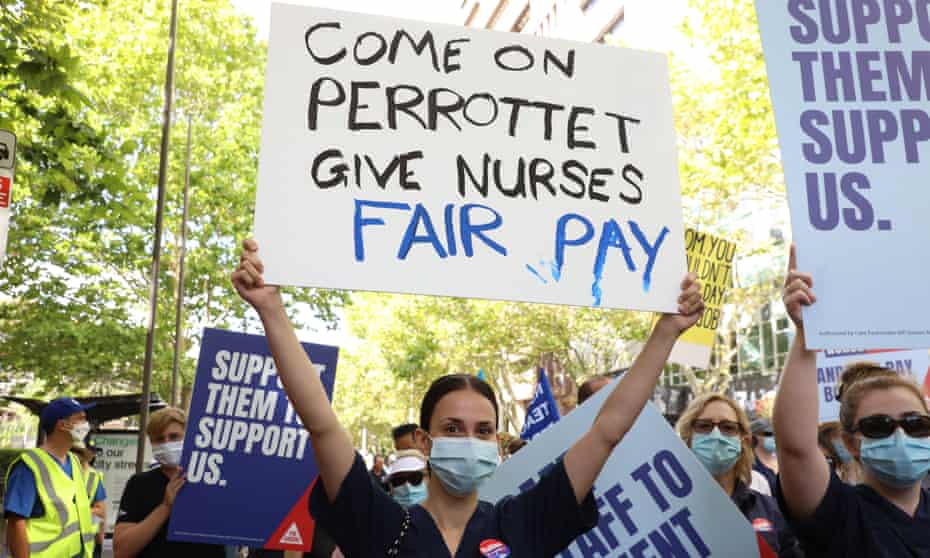
NSW Nurses and Midwives' Association (NSWNMA) members march from Queen's Square to the NSW Parliament building on Macquarie Street.

The living experience of ordinary Australians isn’t working but then it was never intended to be taken into account by the LNP and its very, very, kind-hearted, religious leader who we know so well!!

The only people in Australia who can boost wage growth are employers and the only way they can do that is by giving people pay rises.

The whole point of abandoning what was once called “centralised wage fixing” and deregulating the labour market over the past 30 years was to put employers in charge of deciding how much they pay their employees. And, guess what, on the whole Australian employers have decided to boost their profits rather than boost their workers’ wages. Just as Scott Morrison wants to see more women get into parliament (but not at the expense of men) and wants to see housing affordability improve (without house prices actually falling) the prime minister is all in favour of stronger wage growth – but not at the expense of higher profits. Unfortunately for Australians struggling with the rising cost of living, they can’t feed magic pudding to their kids.
Source: Low wage growth in Australia didn’t happen by accident – it’s the system working as intended | Richard Denniss | The Guardian

Who Gets to Be Smart by Bri Lee review – gutsy but unfocused interrogation of academic privilege | Australian books | The Guardian

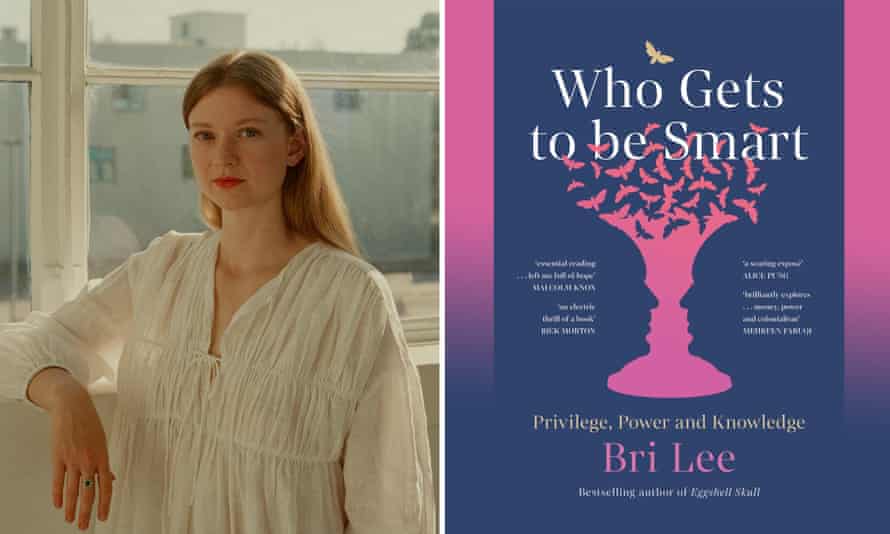
Bri Lee and the cover of her new book, Who Gets To Be Smart.

Lee’s book is laden with research – podcasts, budget reports, soul-jarring statistics (to choose just one: in 2019, Australia’s four richest schools spent more on new facilities and renovations than the poorest 1,800 combined). But Who Gets to be Smart is light on listening. This book yearns for interviews, for the voices of those who are falling into the dark of education’s ever-growing equity gap: parents of children with disabilities, who have to fight for inclusive teaching; Indigenous students who quietly learn to dream smaller; the vast army of casual adjuncts, keeping universities open but teaching for crumbs; the principals of public schools struggling to repair the toilets when the private school down the road has on-site baristas; the women who’ve dropped out of higher ed because Covid-era caring commitments have made study untenable. Seated next to a high-profile vice chancellor on a plane, Lee delights in reading his emails over his shoulder, but she never asks him a question. That feels like a metaphor, too.

Source: Who Gets to Be Smart by Bri Lee review – gutsy but unfocused interrogation of academic privilege | Australian books | The Guardian