Tag: Glaciers

Glaciologist Says New Melting Study ‘Frankly Scary. Even to Me.’

Satellite imagery shows the Larsen B Ice Shelf in Antarctica on February 21, 2000. The ice shelf's collapse in 2002 was hastened by fossil fuel-driven global warming.

“Ice sheets are retreating fast today,” said one expert. “But we see traces in the seafloor that the retreat could go faster, way faster, and this is a reminder that we have not seen everything yet.”

Source: Glaciologist Says New Melting Study ‘Frankly Scary. Even to Me.’

Scientists watch giant ‘doomsday’ glacier in Antarctica with concern | Antarctica | The Guardian

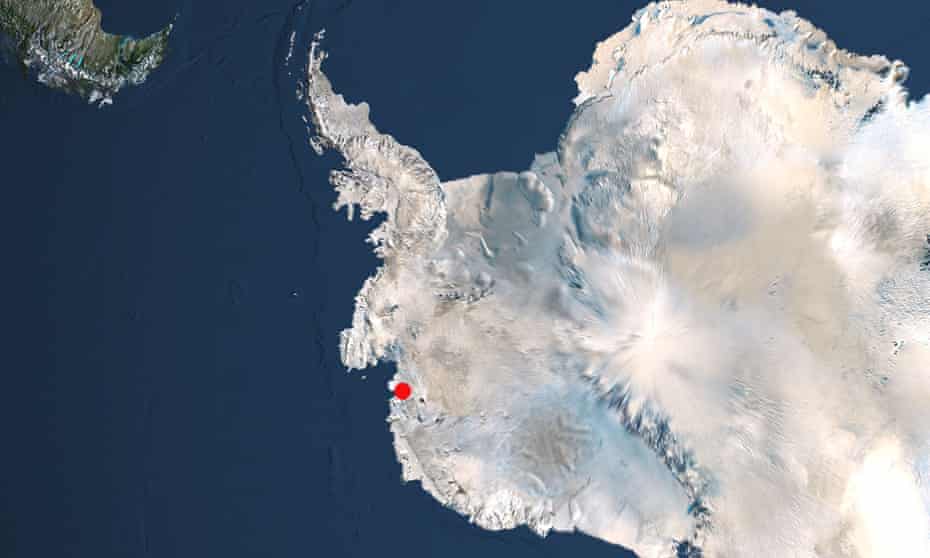
Satellite view of Antarctica with the Thwaites glacier marked in red.

Should all West Antarctica’s glaciers ever collapse, there is no coastal city in the world that would not, over time, be swamped at ruinous cost to life and economies. The consensus of glaciologists used to be that it would take centuries of global heating before glaciers the size of Thwaites shattered and collapsed, but so rapid and unexpected has been the loss of sea ice at the opposite end of the earth in the Arctic, and so sudden was the loss of Larsen B that it is now considered possible it could happen rapidly in Antarctica, too. Ice loss in the Arctic barely affects sea levels because it mostly forms at sea. Antarctic ice, however, is mostly on land so any melting adds to sea levels.

Source: Scientists watch giant ‘doomsday’ glacier in Antarctica with concern | Antarctica | The Guardian

2021 was a bad year for glaciers in western North America — and it’s about to get much worse

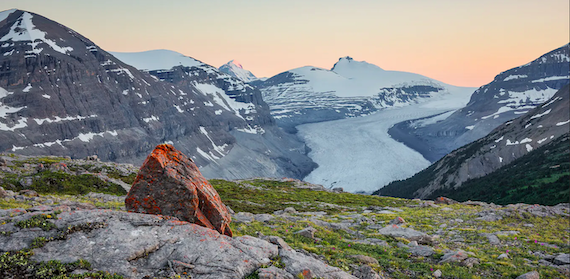
In particular, glacier mass loss over the past two decades in western North America has accelerated, with losses in the past decade that were four times greater than the decade before. This acceleration coincides with warm, dry conditions over some of the region’s largest icefields, namely those in the Southern Coast Mountains of British Columbia.

Source: 2021 was a bad year for glaciers in western North America — and it’s about to get much worse

Global heating from CO2 breaks Himalayan Glacier, floods sweep away Scores, destroy Hydroelectric Plant

Global heating from CO2 breaks Himalayan Glacier, floods sweep away Scores, destroy Hydroelectric Plant

A huge chunk of the Nanda Devi glacier in the Himalayas broke off Sunday morning, melting and crashing down on villages around Joshimath in India’s Uttarakhand state, leaving nine dead and 140 unaccounted for. The turbulent grey deluge of water, ice and rocks slammed into two hydro-electric plants, destroying one and damaging another under construction. The flood caused the Alaknanda and Dhauli Ganga rivers to swell dangerously and forced the evacuation of villagers living along their banks. The glaciers are melting as a result of human beings burning gasoline, coal and natural gas and putting the heat-trapping gas carbon dioxide into the atmosphere. Some 2,000 military and police are searching for survivors.

Global heating from CO2 breaks Himalayan Glacier, floods sweep away Scores, destroy Hydroelectric Plant

Cold War spy satellite images show Himalayan glaciers are melting fast – ABC News (Australian Broadcasting Corporation)

A black and white image showing glaciers on the Himalayan landscape.

via Cold War spy satellite images show Himalayan glaciers are melting fast – ABC News (Australian Broadcasting Corporation)

Many glaciers in the European Alps could lose about 50 percent of their present surface area.

Speed of Glacier Retreat Worldwide Reaches Record Levels