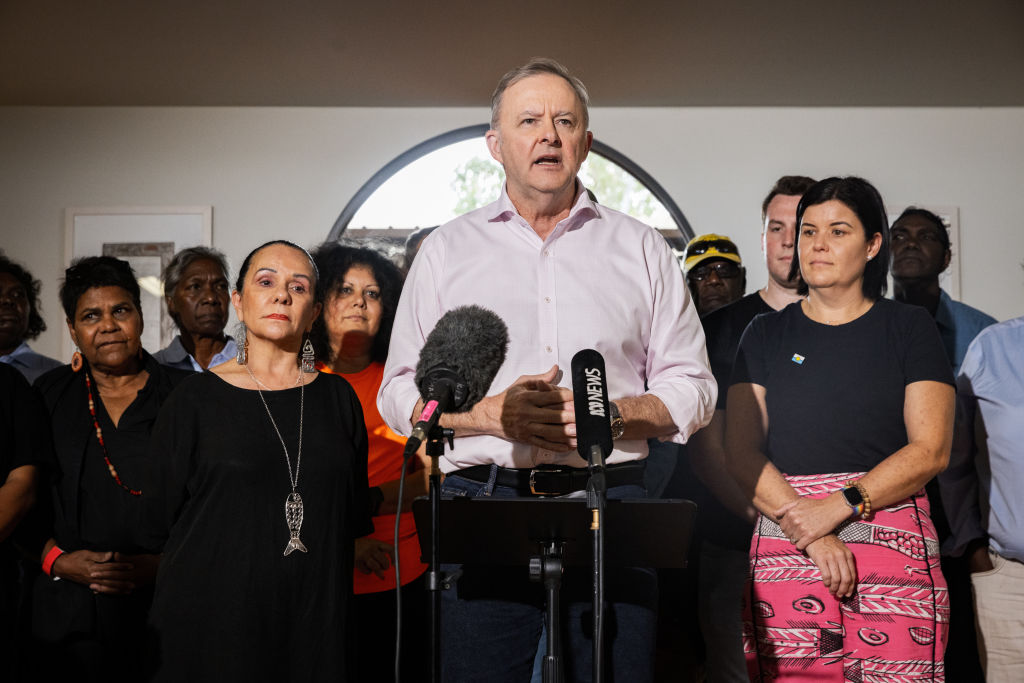
When a Historian takes aim at writing the History of the referendum and is from the left what chance has the voice two months from now. Grace Brooks is neither a supporter of the voice nor an advisor. In fact, she’s less active than those she criticizes.
Later this year, Australia will vote in a referendum on creating an Aboriginal Voice to advise parliament. The Yes campaign is flagging, hobbled by a technocratic strategy and language borrowed from corporate social responsibility values statements.
No campaign’s messaging is designed to appeal to a broad spectrum of voters. While the Yes campaign sticks to unconvincing, technocratic rhetoric about community consultation and “listening,” the No campaign is arguing that the Voice will interfere with everything from national defense to school curriculum. It’s a scattergun approach, and it is working.
If the Voice had emerged as a result of an organic movement — like the campaigns against Australia Day or those for a treaty, which regularly mobilize tens of thousands of people — then it might have been in a position to counter the No campaign. But this is far from the case.
In fact, among the highest-profile supporters of the Yes campaign are peak corporate bodies like the Business Council of Australia and mining giants like BHP, which has donated $2 million. It’s a far cry from the strikes that spearheaded the Aboriginal land rights movement of the twentieth century, which were aided by solidarity from unions and the Communist Party of Australia.
Source: Australia’s Voice Referendum Is Losing Thanks to the “Radical Centrism” of Its Architects
 olddogthoughts