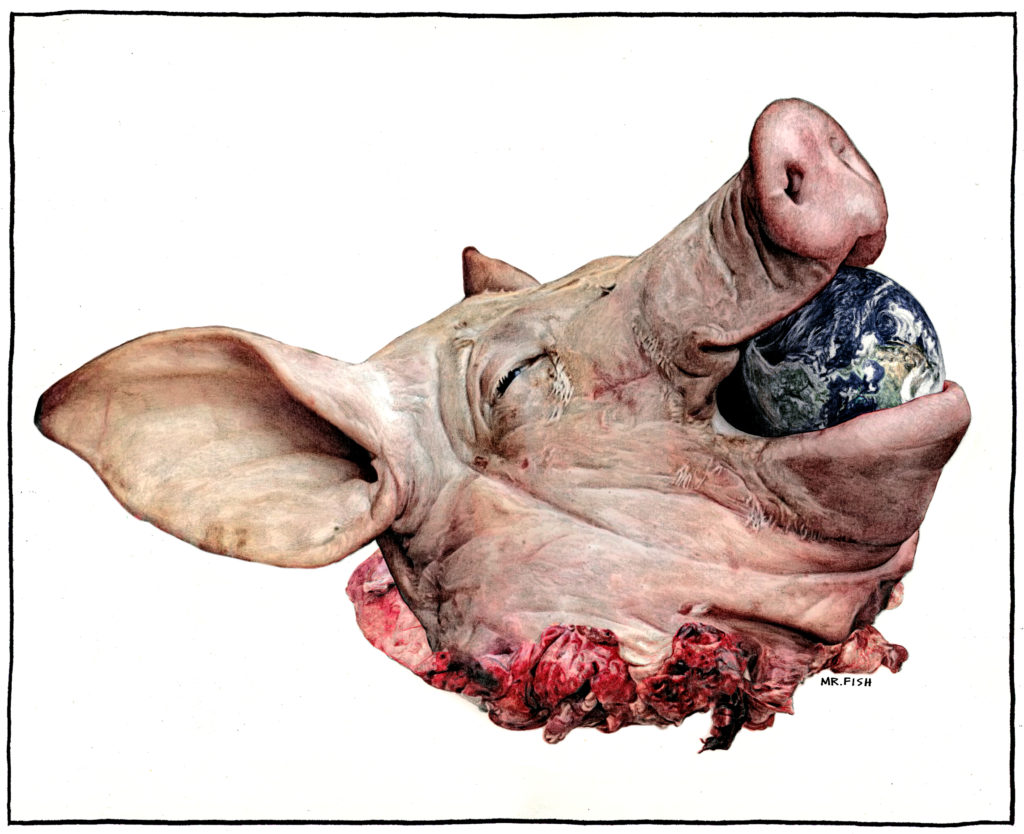
the best evidence indicates that the wishes of ordinary Americans [have] little or no impact on the making of federal government policy. Wealthy individuals and organized interest groups—especially business corporations—have … much more political clout. … [T]he general public [is] … virtually powerless. … The will of majorities is … thwarted by the affluent and the well-organized, who block popular policy proposals and enact special favors for themselves. … Majorities of Americans favor specific policies designed to deal with such problems as climate change, gun violence, an untenable immigration system, inadequate public schools, and crumbling bridges and highways. … Large majorities of America favor various programs to help provide jobs, increase wages, help the unemployed, provide universal medical insurance, ensure decent retirement pensions, and pay for such programs with progressive taxes. Most Americans also want to cut “corporate welfare.” Yet the wealthy, business groups, and structural gridlock have mostly blocked such new policies. …
- Reblog
-
Subscribe
Subscribed
Already have a WordPress.com account? Log in now.
 olddogthoughts