
Protecting the Merchants of Death: The Police Effort for Land Forces 2024

We are under constant bombardment. Hardly a day goes by without some news of a military nature. If it is not about sending more equipment to prolong the war in Ukraine, it is about Australian minerals being domesticated to serve Americas military interests.
Source: The relentless march of militarism: When will it stop? – Pearls and Irritations
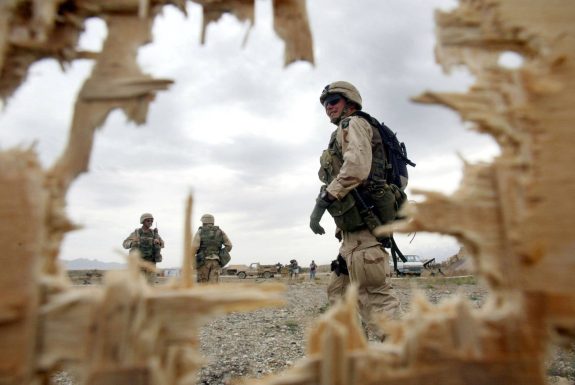
Until the world outlaws wars, removes the myths of glory and manhood attached to the killing of those deemed worthy of death, the murders in our names will continue. Let’s not kid ourselves, there is money in death and destruction. Lots and lots of money, lots of spin and justification. The manufacturing of stereotypes takes just a few keystrokes.
Source: Executions – Human Rights forsworn and Wars fought – » The Australian Independent Media Network
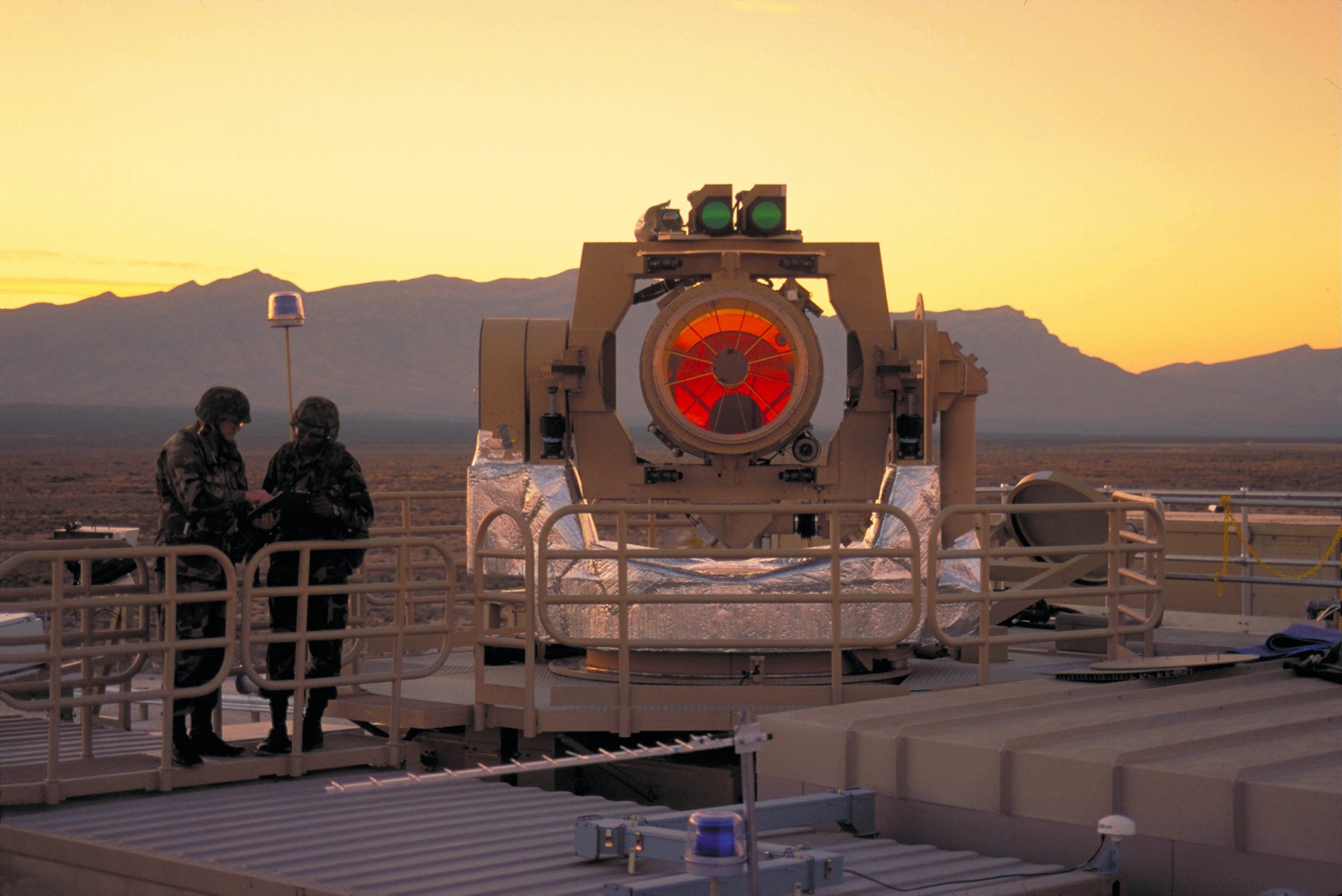
When reality mimics fiction chasing the “god machine”
There’s no God mode in real life, of course, but the world’s military organisations are very interested in weapons that promise something like it: lasers and other “directed energy weapons”. The US government, for example, is spending nearly US$1 billion per year on directed energy projects.

The cost to a Nation
This year, the average American paid $1,087 in taxes just for Pentagon contractors alone. Imagine the kind of society we could construct with just a fraction of the resources we devote to war.
Source: Ordinary Americans Are Being Forced to Subsidize the Military-Industrial Complex

The invasion that saved Iraq created ISIS. America has military bases in 150 countries and Niger is just like Iraq. Australia has welcomed them to set up here.
Gunmen on motorbikes terrorize the African nation despite — or perhaps because of — a beefed-up U.S. presence that includes drone bases.
Source: After Years of U.S. Military Aid, Terror Attacks Still Rise in Niger

U.S. special operations forces deployed to 154 countries, or roughly 80 percent of the world’s nations, last year, but information about exactly where elite forces conduct missions, under what authorities they operate, who they’ve killed, and whether they’re adhering to the laws of armed conflict is closely guarded, buried in obscure legal provisions, shrouded in secrecy, or allegedly unknown even to Special Operations Command.
Will the Biden Administration Shine Light on Special Ops Programs?
On Monday, the Pentagon received even more money than it had asked for. Funding war is something that both Democrats and Republicans can agree on

US defense companies are currently enjoying a massive surge in profits in the wake of severe global crises that US foreign policy – with the full backing and blessing of the US punditry class – has itself precipitated.
Human Rights Watch is accusing the Saudi Arabia-led coalition of dropping banned cluster bombs manufactured and supplied by the U.S. on civilian areas in Yemen. Cluster bombs contain dozens or even hundreds of smaller munitions designed to fan out over a wide area, often the size of a football field. They are banned under a 2008 treaty for the high civilian toll they can cause. The treaty was adopted by 116 countries — although not by Saudi Arabia, Yemen or the United States. According to Human Rights Watch, the U.S.-supplied cluster bombs have landed near rebel-held villages in northern Yemen, putting residents in danger. On Monday, the State Department said it is “looking into” the report’s allegations, adding it takes “all accounts of civilian deaths in the ongoing hostilities in Yemen very seriously.” We are joined by Stephen Goose, director of Human Rights Watch’s Arms Division and chair of the Cluster Munition Coalition, and Belkis Wille, Yemen and Kuwait researcher at Human Rights Watch.
 olddogthoughts
You must be logged in to post a comment.