The media is all over the story that Governor DeSantis was notified that the danger threshold for evacuation was hit on Sunday, but he waited until Tuesday to order one (leaving a trail of dead bodies in his wake).
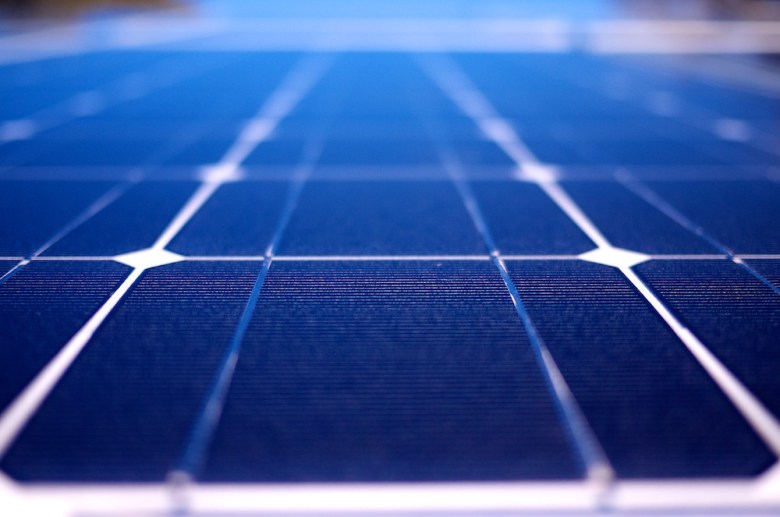
Babcock Ranch—Florida’s first 100% solar-powered community with over 700,000 panels providing more than enough electricity for all 2000 homes—happened in 2015, it wasn’t a bunch of environmentally-minded old hippies putting the project together. In fact, the community—like the region around it—tends to vote solidly red.
It wasn’t to save the world that they built an all-electric, all-solar community: it was to avoid exactly what happened to the surrounding area; electric and water outages and the collapse of infrastructure that typically accompanies a hurricane.
In 2010 it cost around $6/watt to install residential solar with batteries (just the solar panels themselves were around $2/watt), so a typical home’s system cost between $40,000 and $60,000.
Today it’s around $1.40/watt (the panels themselves are now around $.38/watt) and not only is the price typically below $20,000 but there are huge federal incentives to make the systems even cheaper.
Solar and wind are now the cheapest ways to produce electricity in the United States. This is why over a quarter-million Americans today earn their living installing and maintaining solar and wind systems.
 olddogthoughts
You must be logged in to post a comment.